


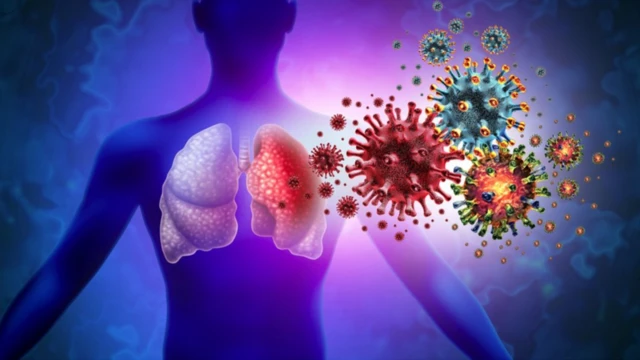


The monsoon season, with its high humidity and increased pollution, creates an ideal environment for viruses and bacteria to spread rapidly. This significantly increases the risk of lung infections such as pneumonia.
While pneumonia can affect anyone, children, the elderly, and individuals with weakened immune systems are particularly vulnerable. Without timely treatment, pneumonia can become life-threatening.
According to Dr. Preetpal Kaur, Pulmonologist at Apollo Spectra Hospital, Delhi:
“During the monsoon, bacteria, viruses, and fungi that cause lung infections can easily enter the body from the environment. That’s why pneumonia cases often rise during this season.”
Types of Pneumonia
- Bacterial Pneumonia – Most commonly caused by Streptococcus pneumoniae.
- Viral Pneumonia – Often triggered by viruses like influenza; more severe in people with low immunity.
- Fungal Pneumonia – Frequently seen in patients with HIV/AIDS or those undergoing chemotherapy.
- Aspiration Pneumonia – Occurs when food, drink, or saliva enters the lungs.
Why Pneumonia Risk Increases in Monsoon
- High risk in children under two, the elderly, and people with chronic illnesses.
- More common in individuals with weak immune systems.
- Smokers and hospitalized patients face greater susceptibility.
Prevention Tips
- Avoid prolonged exposure to rain and damp environments.
- Wear clean, dry clothing.
- Drink clean water and eat a balanced, nutritious diet.
- Avoid smoking.
- Get vaccinated (PCV – Pneumococcal Conjugate Vaccine).
Diagnosis & Treatment
Pneumonia is diagnosed through chest X-ray, blood tests, sputum tests, and other necessary investigations. Treatment may involve antibiotics, antiviral medications, and in severe cases, ventilation support.
Dr. Kaur advises:
“Be alert to seasonal infections, and if you notice any symptoms, consult a doctor immediately.”

