


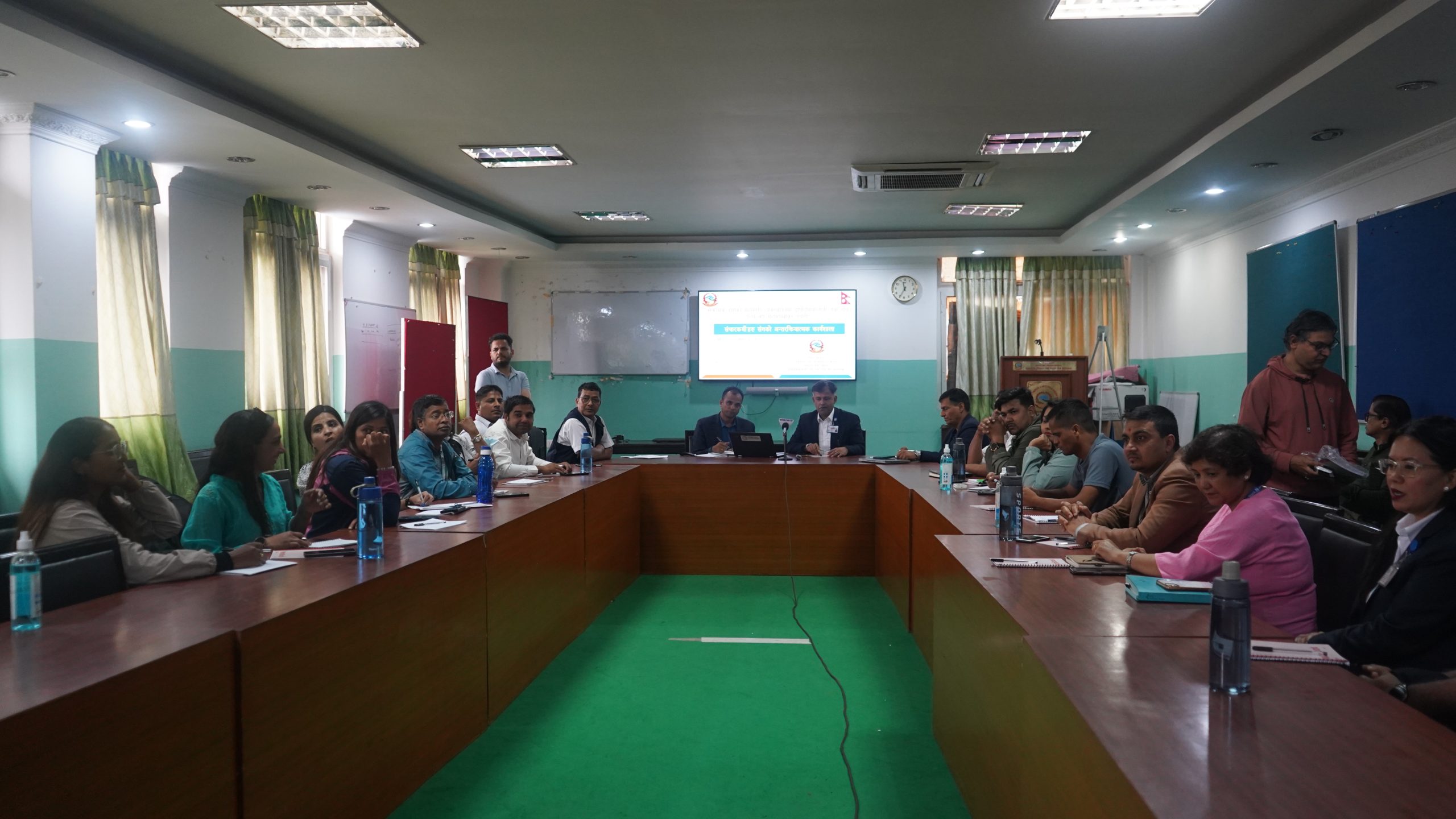


Kathmandu – The Epidemiology and Disease Control Division (EDCD) of Nepal has projected that more than 60,000 people could be infected with dengue this year.
According to Dr. Gokarna Dahal, Chief of the Vector-Borne Disease Section at the EDCD, the dengue transmission season has already begun, posing a high risk of rapid outbreaks at any time and in any location.
Dr. Dahal stated that the months from mid-July to mid-November (Saun to Kartik in the Nepali calendar) are the peak period for dengue transmission. So far, around 1,600 cases have been confirmed across 73 districts, but the official figures may be underreported due to asymptomatic cases, lack of testing, or unreported results.
He estimates that approximately 10,000 people may currently be infected but are not within the formal treatment system. The government, in coordination with provincial and local levels, has begun implementing control measures.
For this fiscal year, the government has allocated a budget of NPR 100 million for dengue prevention and control. A five-year multi-sectoral plan is also in the final stage of approval.
So far, 57,000 testing kits have been distributed to provincial and local governments, and an additional 25,000 kits are in reserve, according to the EDCD.
In preparation for potential outbreaks, over 1,700 doctors and health workers from both private and public hospitals have been oriented on the national dengue treatment protocol. The division has also intensified mosquito eradication campaigns.
Dr. Dahal emphasized that individual responsibility is equally important, urging everyone to take necessary precautions to help control the spread of dengue.

